
Best Books for Family Reading Time
Some books sound fine at bedtime and then fizzle out by page three. A child starts wiggling, a grown-up starts skimming, and what was supposed to be a cozy moment turns into, “Let’s just finish tomorrow.” The best books for family reading time do the opposite. They pull everyone in, give kids enough to follow confidently, and leave room for laughter, questions, and those sweet little pauses when a child says, “Read that part again.”
For families with 2nd through 4th grade readers, that sweet spot matters. At this age, children want stories that feel real enough to connect with, but lively enough to keep them curious. They are growing as readers, yes, but they are also growing as people. They notice feelings, friendships, fairness, surprises, and everyday adventures. A strong family read-aloud book meets them there.
What makes books for family reading time work so well
A good family reading book is not always the same thing as a book a child would read alone. That is where many well-meaning picks miss the mark. A child might manage the words just fine independently, but the story may not offer much for shared discussion. On the other hand, a beautiful classic might be meaningful for adults while feeling too distant or slow for an eight-year-old.
The most successful books for family reading time usually have a few things in common. They move along at a friendly pace. They give children characters they recognize from real life, even if the situations are a little extra funny or exciting. They also create natural stopping points where someone can ask, “What do you think will happen next?” without sounding like a quiz.
That last part is worth holding onto. Family reading time works best when it feels like togetherness, not homework. Children can tell the difference right away.
The best kinds of stories to choose
Realistic fiction is especially strong for shared reading with elementary-age kids. When a story sounds like something that could happen to them, children lean in. They compare, predict, and connect. A new pet, a school mix-up, a neighborhood adventure, a family misunderstanding, or a brave little decision can all feel big and meaningful through a child’s eyes.
First-person storytelling can be a wonderful fit too. When kids hear a story told as “I,” they often step right into the character’s shoes. That makes the reading experience feel more personal and interactive. Instead of watching from the outside, they get to feel like they are part of the moment.
Illustrations still matter at this stage as well, even for stronger readers. Families sometimes assume pictures are only for younger children, but artwork can deepen attention, spark conversation, and help more visual kids stay connected to the story. Different illustration styles can also keep reading fresh, especially for children who love noticing details.
Humor helps, of course. Not the kind that talks down to children, but the kind that grows out of everyday life. Kids love books that understand how small things can feel huge and how huge things can sometimes be hilariously small.
How to spot a great family read before you buy it
When parents and grandparents are searching for a good fit, they are often balancing two goals at once. They want a book their child can genuinely enjoy, and they want a book that supports reading growth without feeling stiff or overly instructional.
A few signs can help. Look for language that sounds natural when read aloud. If a sentence feels clunky in your mouth, it may not make the coziest shared reading experience. Notice whether the main character has a clear voice. Children respond strongly to personality. If the narrator sounds real, they are more likely to listen closely.
It also helps to choose books with enough emotional movement to talk about. Not heavy topics for the sake of being heavy, but real feelings children know well – excitement, embarrassment, pride, disappointment, nervousness, joy. These are the moments that turn a simple read-aloud into a family memory.
And then there is length. Longer is not always better. A shorter chapter book or an illustrated early middle-grade story often works beautifully because families can finish a section in one sitting and still leave a little sparkle for next time.
Why interactive books for family reading time stand out
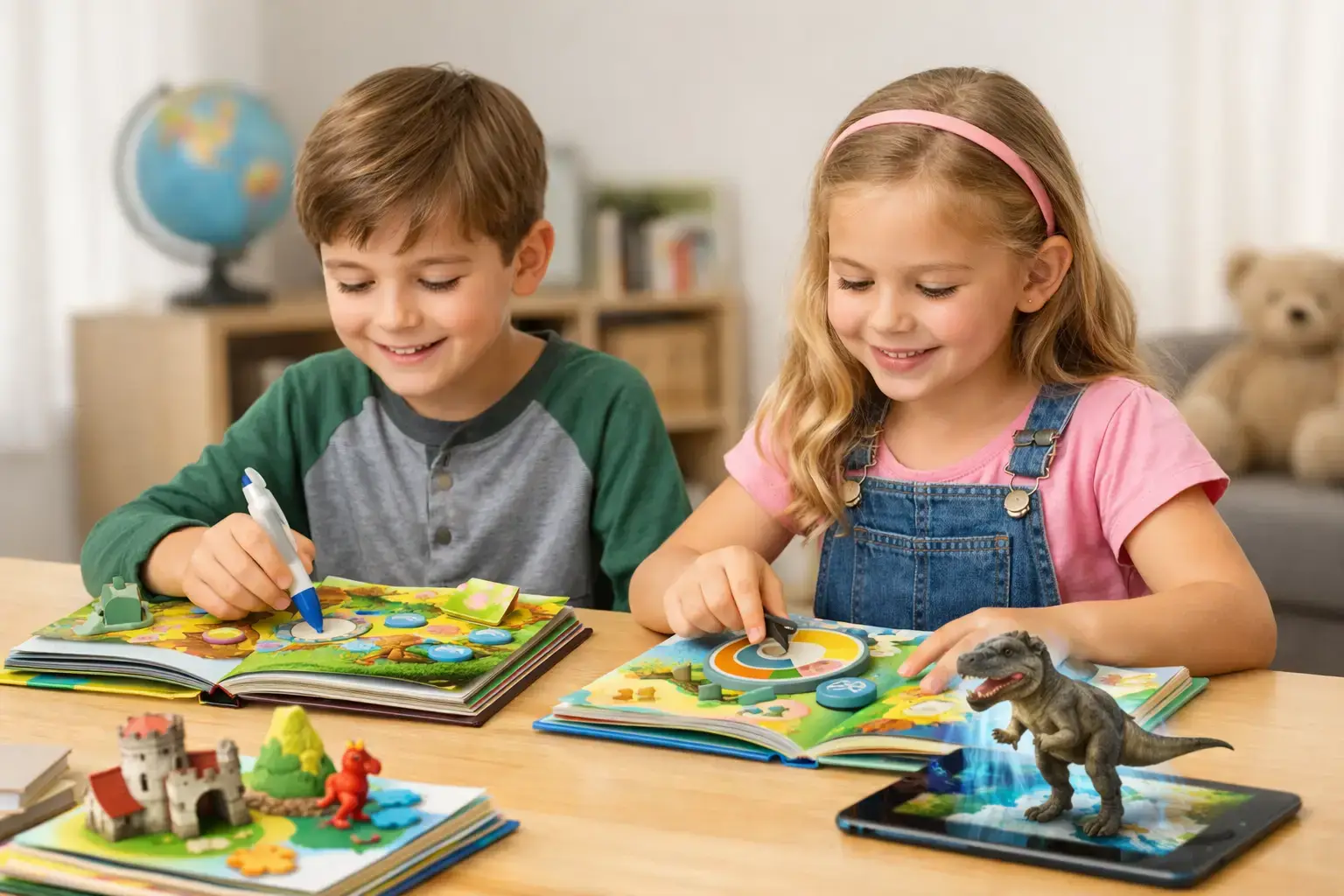
Children in the 2nd through 4th grade range love to participate. They want to guess, react, repeat favorite lines, and point out clues in the pictures. That is why interactive storytelling can be such a gift during read-aloud time.
Some books invite interaction through suspense. Others do it through voice, humor, or questions that naturally rise from the story. A child does not need printed prompts on every page to become involved. Sometimes all it takes is a narrator who feels so relatable that kids cannot help chiming in.
That is one reason many families are drawn to character-driven series. Familiar characters make each reading session easier to begin. You do not have to build investment from scratch every time. Children already care. They already know the tone. They are ready to jump back in.
At Gramma Stina’s Stories, that shared-reading spirit lives in the Brutie & Me adventures, where first-person storytelling, relatable situations, and ever-changing illustration styles help keep family reading warm, playful, and fresh.
Choosing books that grow with your reader
One little challenge with family reading time is that children do not stay in one reading stage for long. A book that felt perfect six months ago may suddenly seem too easy, or a once-intimidating chapter book may now be just right.
That is not a problem. It is actually part of the fun. The best reading routines grow with the child. Early on, your family might choose heavily illustrated stories with shorter chapters. Later, you may move toward books with richer plots and more dialogue. The goal is not to rush ahead. The goal is to keep reading joyful while gently stretching attention, vocabulary, and confidence.
It also depends on the child. Some young readers want fast action and lots of humor. Others like tender moments, animal stories, or everyday school adventures. A child who is hesitant to read alone may thrive during family reading time because the shared experience takes away pressure. In that setting, a slightly more challenging book can feel inviting rather than overwhelming.
Creating a reading time kids actually look forward to
The right book matters, but the rhythm matters too. Family reading time does not need to be long to be meaningful. Fifteen minutes after dinner can be enough. So can one chapter before bed a few nights a week. Consistency often matters more than duration.
It helps to let children feel some ownership. They might choose between two books, decide who holds the book, or pick a favorite spot on the couch. Small choices make the experience feel special.
Reading aloud with expression also changes everything. You do not need theater-level performance. Just a little warmth, a little surprise, and a willingness to enjoy the story with your child. If they interrupt with a thought, that is usually a sign the book is working.
And if a book is not working, it is perfectly fine to stop. Families sometimes feel they must finish every book they begin. Not so. If the story drags, if the tone feels off, or if no one is excited to return to it, choose another one. Reading time should build appetite, not resistance.
A gentle checklist for better book choices
When you are picking books for family reading time, ask yourself a few simple questions. Will this story interest my child right now? Does it sound good read aloud? Is there enough heart, humor, or curiosity to invite conversation? Can we enjoy this together without turning it into a lesson every five minutes?
If the answer is yes, you are probably on the right track.
Children remember how books made them feel long before they remember reading levels or literary categories. They remember the voice that read to them, the part that made everyone laugh, the page they asked to hear twice, and the quiet comfort of being close to someone who cared enough to share a story.
That is the real magic of choosing well. The best family books do more than fill time before bed. They help build readers, yes, but they also build trust, imagination, and the kind of everyday closeness that stays with a child for years. So pick the story that feels warm in your hands, gather your people, and let tonight’s pages do what good books do best – bring everybody a little closer.
Leave a Reply